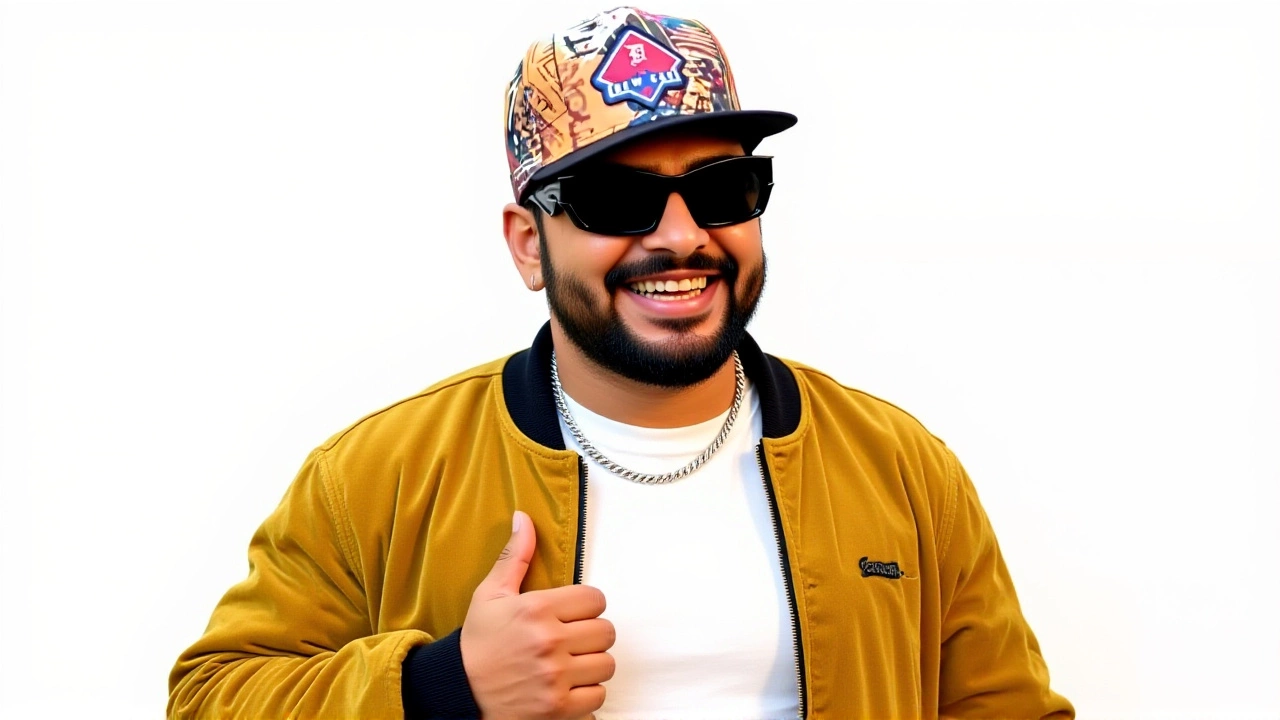
When Santy Sharma, rapper and singer from Ratlam, Madhya Pradesh, dismissed the rising digital movement as mere "internet drama," he didn't just stir the pot—he lit a fire under it. The controversy erupted after the artist shared a lengthy post across Instagram, X (formerly Twitter), and YouTube, criticizing what many young Indians see as a serious political awakening.
The target of his ire? The Cockroach Janata Party (CJP), a satirical yet potent online campaign that has captured the imagination of India’s Gen-Z demographic. By labeling the movement as insignificant noise rather than a reflection of genuine socio-economic distress, Sharma ignited a fierce debate about who gets to define political legitimacy in the digital age.
The Spark: A Rapper vs. The Digital Crowd
Here’s the thing: social media movements often start as jokes but quickly morph into mirrors reflecting societal cracks. The CJP is no different. Born from memes and sarcasm, it addresses real pain points—unemployment, soaring inflation, and academic pressure—that plague millions of young Indians. It’s not an official political party with a manifesto filed at election commissions; it’s a sentiment. A collective sigh turned into a hashtag.
Sharma, whose real name is Ganesh Sharma, took issue with this phenomenon. In his post, he wrote, "The Cockroach Janata Party looks more like internet drama than a serious movement." He went further, accusing followers of blindly jumping on trends without understanding the background or motives of those leading them. "People today follow any trend without thinking," he stated, urging youth to keep their "eyes open" before joining online crusades.
But wait—the reaction was immediate and volatile. Supporters of the CJP, who identify with the "cockroach" moniker as a symbol of resilience against systemic neglect, fired back. To them, Sharma’s comments weren’t just criticism; they were a dismissal of their struggles. The backlash wasn’t just about disagreement; it felt personal. After all, when you’re fighting for visibility in a system that often ignores you, being told your voice is "drama" stings.
Who Is Santy Sharma?
To understand why his words carried weight, we need to look at who he is. Born on September 9, 1996, in Ratlam, Madhya Pradesh, Sharma isn’t just another face in the crowd. He’s widely recognized as the first rapper from his hometown, breaking barriers in a region not traditionally associated with hip-hop culture. His journey began in 2016 with the track "Sunni Sunni Sadko," which gained traction locally. By 2017, his song "Udaan" had expanded his reach significantly.
Since then, he’s built a robust portfolio including hits like "Ek Thi Meri Girlfriend," "Killin," and "Gangsta." More notably, he crossed over into mainstream Bollywood by writing and singing the anthem song "Desi Cops" for Akshay Kumar’s film *Housefull 5*. This blend of independent credibility and mainstream exposure gives him a platform that resonates deeply with young audiences—making his opinions matter even more.
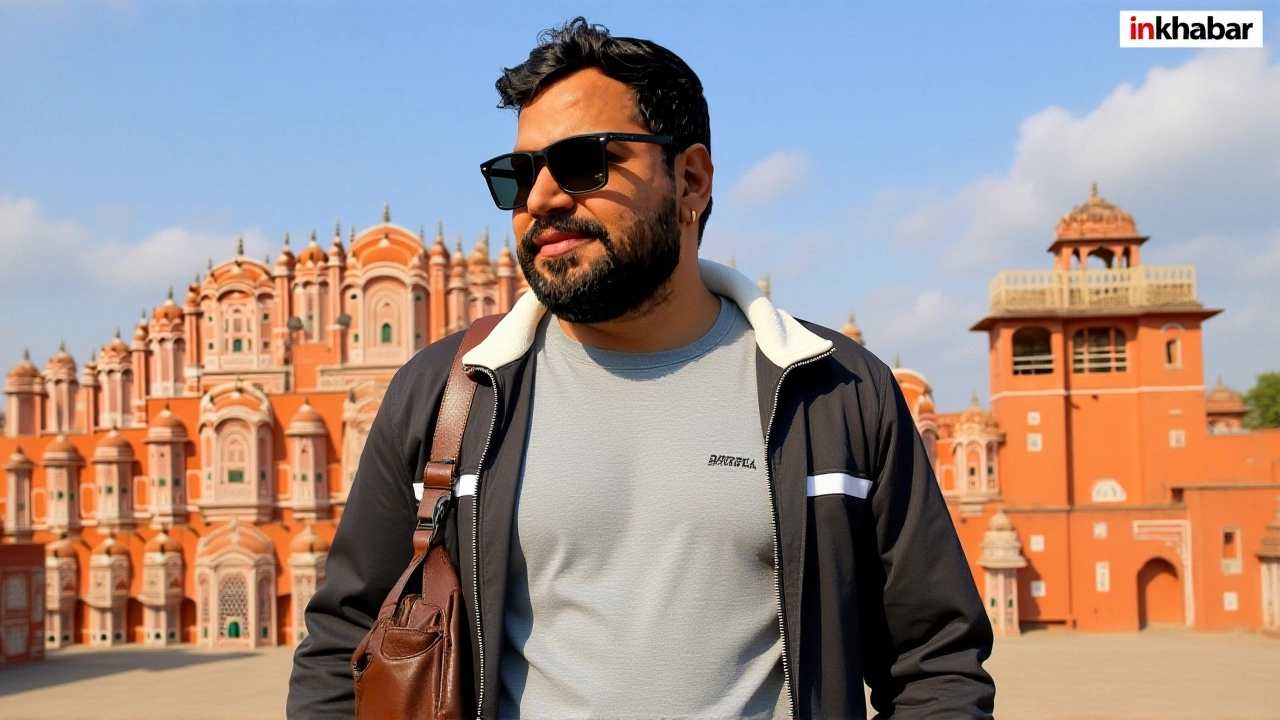
A History of Controversial Takes
This isn’t Sharma’s first rodeo in the court of public opinion. He has a history of speaking bluntly on social issues, sometimes crossing lines others hesitate to approach. Recently, he faced backlash for sharing a video involving content creator Khushi Mukherjee, where he made controversial remarks suggesting that certain types of content contribute to sexual violence. His statement—"Such girls are responsible for increased rapes in India"—sparked outrage for its victim-blaming undertones.
He also stirred debate by supporting rapper Badshah during a dispute over explicit lyrics, calling video makers "guilty" for censoring artistic expression. These instances paint a picture of an artist who refuses to stay silent, even when silence might be safer. Whether viewed as courageous or provocative, Sharma consistently forces conversations that many prefer to avoid.
The Bigger Picture: Gen-Z and Political Expression
Why does this clash matter beyond the likes and shares? Because it highlights a generational shift in how politics is consumed and expressed. For older generations, political engagement meant voting booths and party rallies. For Gen-Z, it’s tweets, memes, and viral campaigns like the CJP. The movement may lack formal structure, but its emotional resonance is undeniable.
Experts note that dismissing such movements as "drama" overlooks their role as early warning systems for societal unrest. When unemployment rates hover around 4-5% among youth and inflation bites hard, humor becomes a coping mechanism—and eventually, a tool for protest. Ignoring this nuance risks alienating a vast segment of the population that feels unheard by traditional institutions.
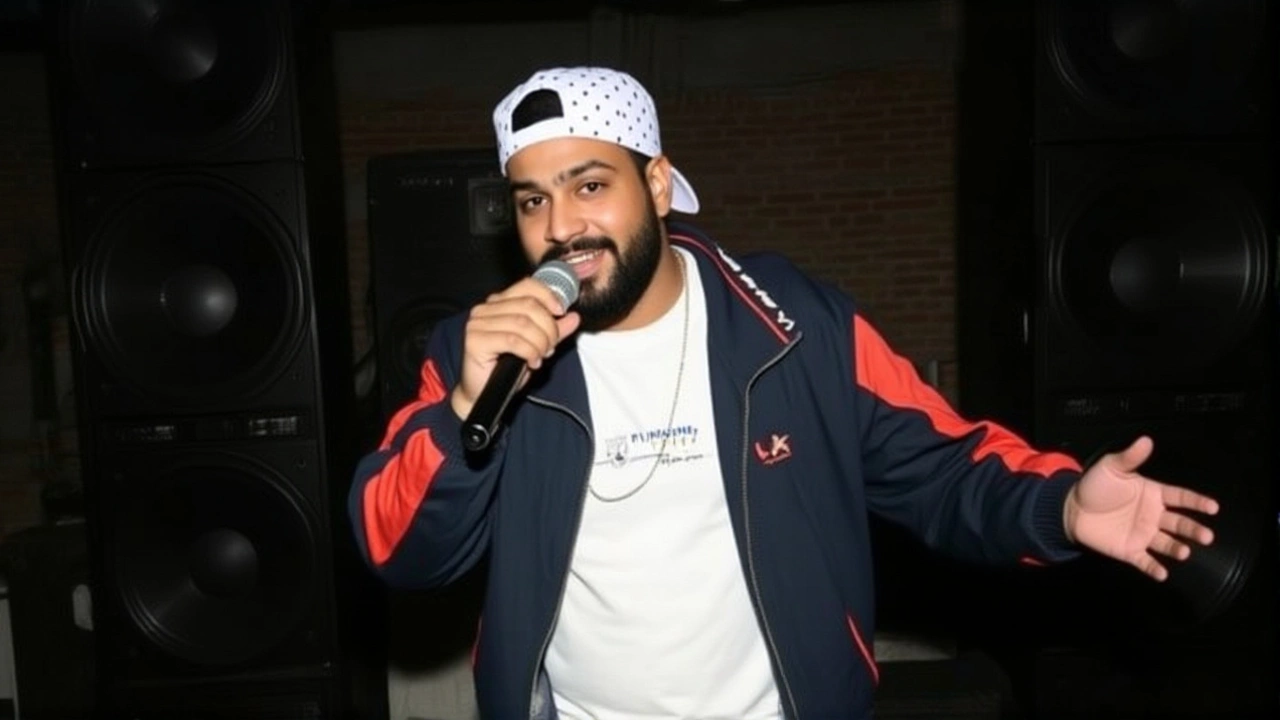
What’s Next for Santy Sharma?
Despite the heat, Sharma shows no signs of slowing down musically. His new single, "I Don’t Care," is scheduled for release on March 10. The title itself seems ironic given the current storm surrounding him. Will the song address the controversy, or will it stand apart as pure art? Only time will tell.
In the meantime, the debate rages on. On one side, supporters argue that artists should use their platforms to challenge complacency and encourage critical thinking. On the other, critics contend that dismissing grassroots digital activism undermines democratic participation. As the dust settles, one thing remains clear: the conversation between traditional authority figures and digital-native citizens is far from over.
Frequently Asked Questions
What exactly is the Cockroach Janata Party (CJP)?
The CJP is not a registered political entity but a viral social media movement primarily driven by Gen-Z users in India. It uses satire and self-deprecating humor—calling themselves "cockroaches" due to their perceived resilience and low status—to highlight issues like unemployment, high cost of living, and educational stress. It serves as a digital outlet for frustration rather than a structured political campaign.
Why did Santy Sharma criticize the movement?
Sharma argued that the CJP resembles "internet drama" more than a serious social cause. He criticized participants for following trends blindly without verifying the backgrounds or intentions of organizers. His stance was rooted in a belief that youth should engage critically with information rather than adopting online narratives uncritically.
How did CJP supporters react to his comments?
Supporters reacted strongly, viewing Sharma’s remarks as dismissive of their genuine struggles. Many felt insulted that their efforts to raise awareness about economic hardships were labeled as trivial entertainment. The backlash intensified existing tensions between established cultural figures and emerging digital activists.
Has Santy Sharma been involved in other controversies?
Yes. Previously, he faced criticism for making statements blaming women for sexual violence regarding content creator Khushi Mukherjee. He also defended rapper Badshah against censorship claims, arguing against restrictions on explicit lyrics. These incidents establish a pattern of outspoken commentary that often sparks polarized reactions.
What is Santy Sharma’s musical background?
Born in Ratlam, Madhya Pradesh, Sharma is known as the city’s first rapper. He rose to prominence with tracks like "Sunni Sunni Sadko" (2016) and "Udaan" (2017). He has since released albums like "Reborn" and contributed to Bollywood films, notably writing and singing "Desi Cops" for *Housefull 5*. His upcoming track "I Don’t Care" drops on March 10.