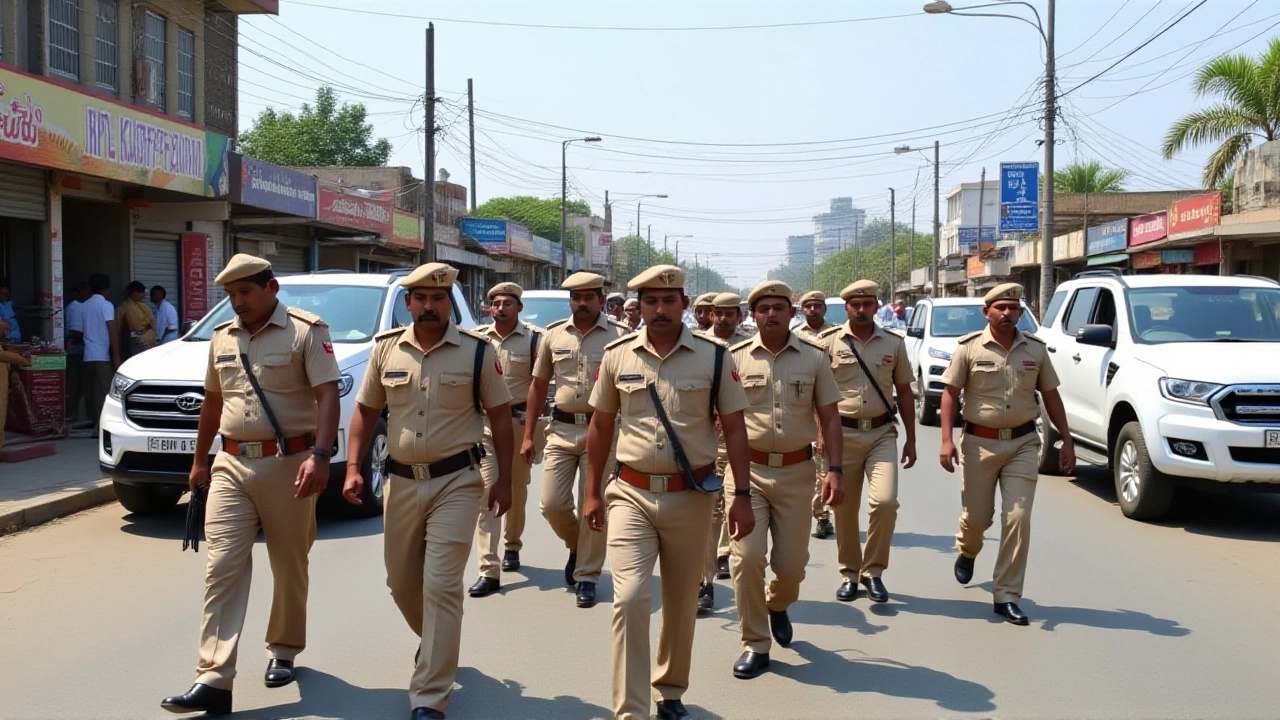
When Nuh District Police, Law Enforcement Agency of Haryana State Government rolled out a high-profile flag march through the streets of Nuh City, it wasn't just for show. It was a clear signal to residents and potential troublemakers alike: the upcoming Bakrid celebrationsNuh District will be under strict surveillance. The move comes days before one of Islam's most significant holidays, aiming to preempt any law-and-order issues in a region that has seen communal tensions in recent years.
Here’s the thing about festival security in India—it’s rarely subtle. The administration didn’t wait for crowds to gather; they struck first with visibility. By parading officers and vehicles through the main thoroughfares, local authorities are attempting to establish a psychological deterrent against violence or unrest. But wait, why is this specific moment so critical? Bakrid, also known as Eid-ul-Adha, involves large gatherings at mosques and public sacrifice sites. In districts like Nuh, which has a significant Muslim population, these events can become flashpoints if not managed meticulously.
A Visible Show of Force
The details of the march are sparse, but the intent is loud. While official press releases often dryly list "security arrangements," the reality on the ground is more visceral. Residents reported seeing uniformed personnel moving in coordinated groups, accompanied by police vans and communication equipment. This isn't just routine patrolling; it's a staged display of readiness.
"The goal is simple: maintain peace," sources close to the administration explained. However, the lack of specific names or ranks in initial reports suggests a collective effort rather than a single commander's initiative. All security agencies across the district have been placed on high alert. This includes not just the local police force but potentially state-level units like the Rapid Action Force (RAF) or intelligence branches, though their exact deployment numbers remain undisclosed.
Turns out, this proactive approach mirrors strategies used in other sensitive regions during major festivals. In Delhi-NCR areas, similar flag marches are common before Republic Day or Diwali. But in Nuh, the stakes feel different due to the demographic makeup and historical context of inter-community relations. The administration is betting that visible presence reduces the likelihood of isolated incidents escalating into larger conflicts.
Why Nuh Matters Right Now
To understand the gravity of this move, you need to look back. Nuh district, carved out from Faridabad in 2019, has been a focal point for political and social discourse in Haryana. Its majority-Muslim population makes every major religious festival a test case for secular governance and communal harmony. Previous years have seen both peaceful celebrations and sporadic clashes, making each Eid a barometer for regional stability.
The twist is that no specific threat was cited in the immediate announcement. There were no reports of bomb threats, hate speech campaigns, or organized protests leading up to this decision. Instead, the alert status appears to be precautionary—a standard operating procedure refined over decades of managing diverse populations. Security experts note that "preventing the spark" is far cheaper and safer than extinguishing a fire.
Interestingly, there’s no mention of financial costs associated with this operation. Usually, such deployments involve overtime pay, fuel, and logistical support. Without concrete figures, we can only assume the budget falls under regular annual security allocations for Haryana. What’s clear is that the priority is human safety, not economic efficiency.
Community Reaction and Broader Impact
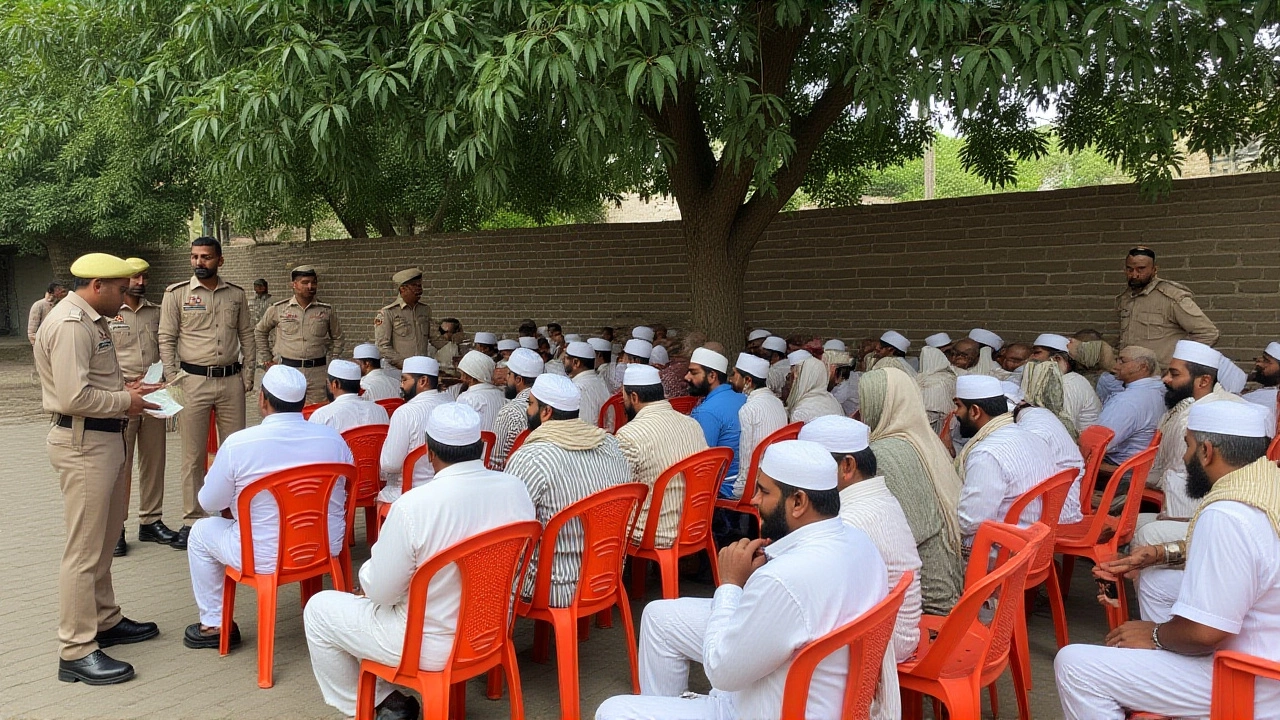
How do locals feel about tanks rolling down their streets? Reactions are mixed. Some residents appreciate the reassurance, viewing the police presence as a necessary shield against external agitators. Others worry that heavy-handed tactics might create an atmosphere of suspicion, alienating the very community they aim to protect.
Religious leaders in Nuh have generally called for calm and cooperation with authorities. Imams at major mosques have issued sermons emphasizing peace and unity, aligning with the government’s narrative. This collaboration between civil society and law enforcement is crucial. When religious institutions endorse security measures, compliance tends to increase naturally.
The broader impact extends beyond Nuh. Other districts in Haryana and neighboring states watch closely. If Nuh manages a peaceful Bakrid without incident, it sets a precedent for effective crowd management. Conversely, any lapse could trigger copycat anxieties elsewhere. The ripple effect is real: successful security here boosts confidence in the state’s ability to handle diversity; failure undermines it.
What’s Next for Security Forces?
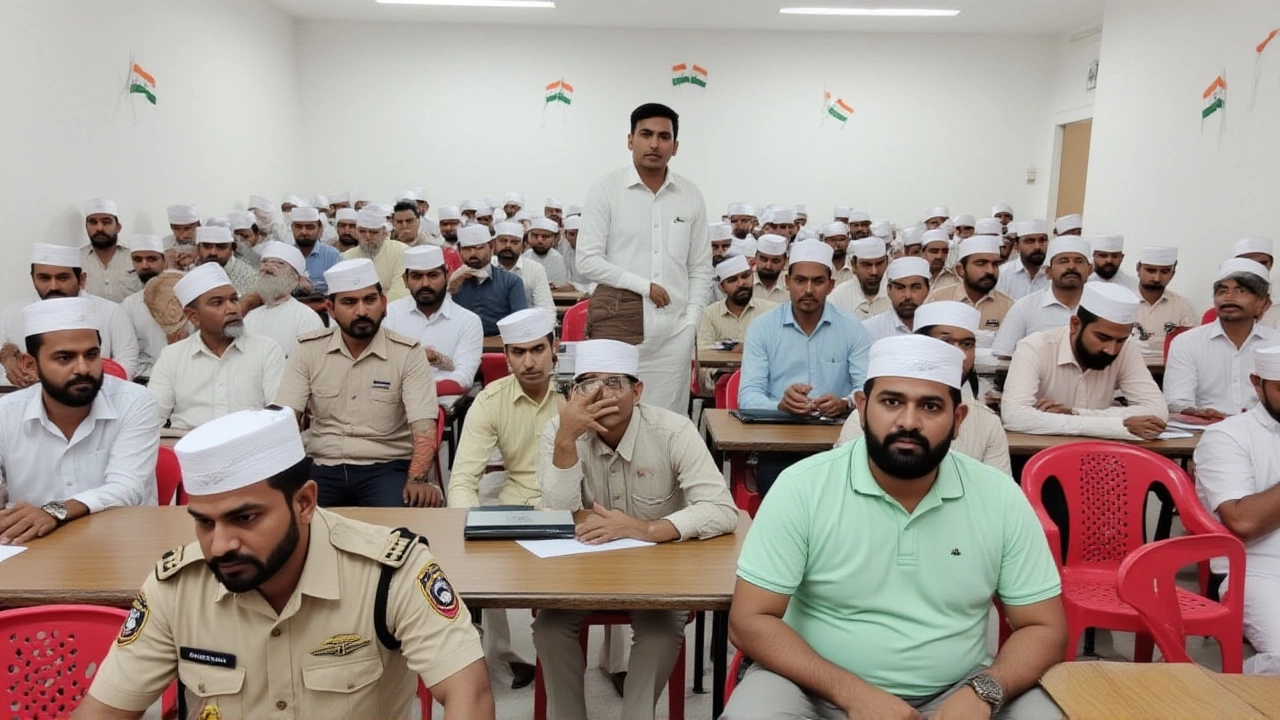
As the festival date approaches, expect the intensity to ramp up. Checkpoints will likely multiply around key mosques and market areas. Digital monitoring via CCTV and social media tracking will intensify too. Authorities are probably analyzing real-time data to deploy resources dynamically—moving teams from quiet zones to hotspots as needed.
Future developments to watch include post-festival reviews. Did the strategy work? Were there any near-misses? These insights will shape security protocols for next year’s Eid. For now, the message from Nuh is unambiguous: the state is watching, ready, and determined to keep the peace. Whether that translates to genuine harmony or merely controlled silence remains to be seen.
Frequently Asked Questions
Why did Nuh police launch a flag march before Bakrid?
The flag march was a preventive measure designed to ensure law and order during the Bakrid festival. By displaying a strong police presence, authorities aim to deter potential unrest, reassure citizens, and demonstrate readiness to handle any emergencies that may arise during large religious gatherings.
Which security agencies are involved in the alert?
While specific unit names weren't detailed, all security agencies in Nuh district are on high alert. This primarily involves the local Haryana Police force, but may also include state rapid response units and intelligence personnel coordinating behind the scenes to monitor communications and movement patterns.
Is there a specific threat that triggered this action?
No specific imminent threat was publicly cited. The action appears to be a standard precautionary protocol given the sensitive nature of major religious festivals in demographically diverse regions. It reflects a proactive stance to prevent any possibility of communal tension or violence.
How does this affect daily life for Nuh residents?
Residents may experience increased police visibility, additional checkpoints near religious sites, and stricter checks on public gatherings. While this ensures safety, it might cause minor traffic delays or require extra identification verification in certain areas during the festival period.
Has Nuh faced similar security challenges in the past?
Yes, Nuh district has historically required heightened security during major festivals due to its demographic composition and past instances of communal friction. These measures are part of an ongoing effort to foster long-term peace and trust between communities and law enforcement.